
Can I Bring a California Product Liability Claim If There Was No Recall?

Yes. In California, a product liability claim does not require a recall. Claims are built on three defect theories: manufacturing defect, design defect, and failure to warn. Recalls are reactive. Regulators and manufacturers usually act after injuries are reported, and many dangerous products are never recalled at all. In September 2026, Ford recalled 223,472 F-150 trucks from model years 2023 through 2027 because fuel tanks may leak or detach (NHTSA campaign 26V578000), but a person hurt before that announcement, or by a product that is never recalled, can still pursue a claim. A recall can be useful evidence, but it is not the only path. This article is general information, not legal advice.
Recalls usually come after injuries, not before
The federal agencies that monitor product safety, including the Consumer Product Safety Commission and the National Highway Traffic Safety Administration, generally act on incident reports. A manufacturer investigates complaints, regulators review the data, and only then does a recall follow. The F-150 fuel tank recall illustrates the lag: the affected trucks were built between January 2023 and August 2026, and the recall was announced in September 2026. Many products never reach that stage. Injuries go unreported, makers dispute the hazard, or the product simply never attracts regulatory attention. The absence of a recall says little about whether a product was defective. It often says more about whether anyone connected the injuries to the product in time.
The three defect theories, in plain language
California product liability law recognizes three separate paths, and a claim can rest on any of them. A manufacturing defect means the unit that caused the injury differed from its own design. The F-150 recall is a manufacturing-defect example: front fuel tank strap slots were not properly seated in the frame rail during assembly, so some trucks left the factory different from the design. A design defect means the entire product line was unreasonably dangerous as designed, even when every unit was built correctly. California evaluates this through the consumer-expectation test and the risk-benefit test, which weigh the danger against the cost and feasibility of a safer design. A failure to warn means the product lacked adequate instructions or warnings about a risk the maker knew or should have known about. A product can be built exactly as designed and still give rise to a claim if the warnings were missing or inadequate.
Who can be held responsible
Responsibility is not limited to the company whose name is on the box. California applies strict liability across the chain of distribution, which generally means an injured person does not have to prove the seller was careless. Potential defendants include the manufacturer, the maker of a defective component, the importer, the distributor, and the retailer that sold the product. A repairer or modifier that changed the product after sale can also face a claim.
Evidence checklist: building a claim without a recall
- Keep the product exactly as it is. Do not repair, discard, or alter it. Keep all packaging, manuals, inserts, and warnings.
- Save the receipt or order confirmation and record the model and serial numbers.
- Photograph the product, the scene, and the injuries, and keep all medical records.
- Write down what happened while memories are fresh, and keep witness contact information.
- Keep any correspondence with the maker or seller about the incident.
- Note similar incidents you learn about. Prior incidents involving the same product can matter.
- Get the product to a qualified expert for inspection before it changes hands. Without a recall to point to, the product itself is the centerpiece of the case. Everything on this list exists to protect it.
Defenses you should expect
Makers and sellers will argue that the product was misused, altered after sale, or used long past its expected life. California distinguishes foreseeable misuse, which generally does not defeat a claim, from truly unforeseeable misuse, which can. They will also raise comparative fault, which can reduce the recovery based on the injured person’s share of responsibility but does not automatically bar the claim. Preserved evidence is what answers these arguments.
California deadlines still apply
A product claim without a recall follows the same timing rules as any other injury claim. California’s personal injury limitations period is generally two years under Code of Civil Procedure section 335.1, and the discovery rule can affect when that clock starts running. Claims involving a public entity carry far shorter claim-presentation deadlines. Do not wait for a recall that may never come. If you were hurt by a product in California, contact our office for a free product-case review — and find out what your claim may be worth and how much your case may cost. Secure the product and keep all packaging, receipts, and manuals.
A real example: the 2026 F-150 fuel tank recall
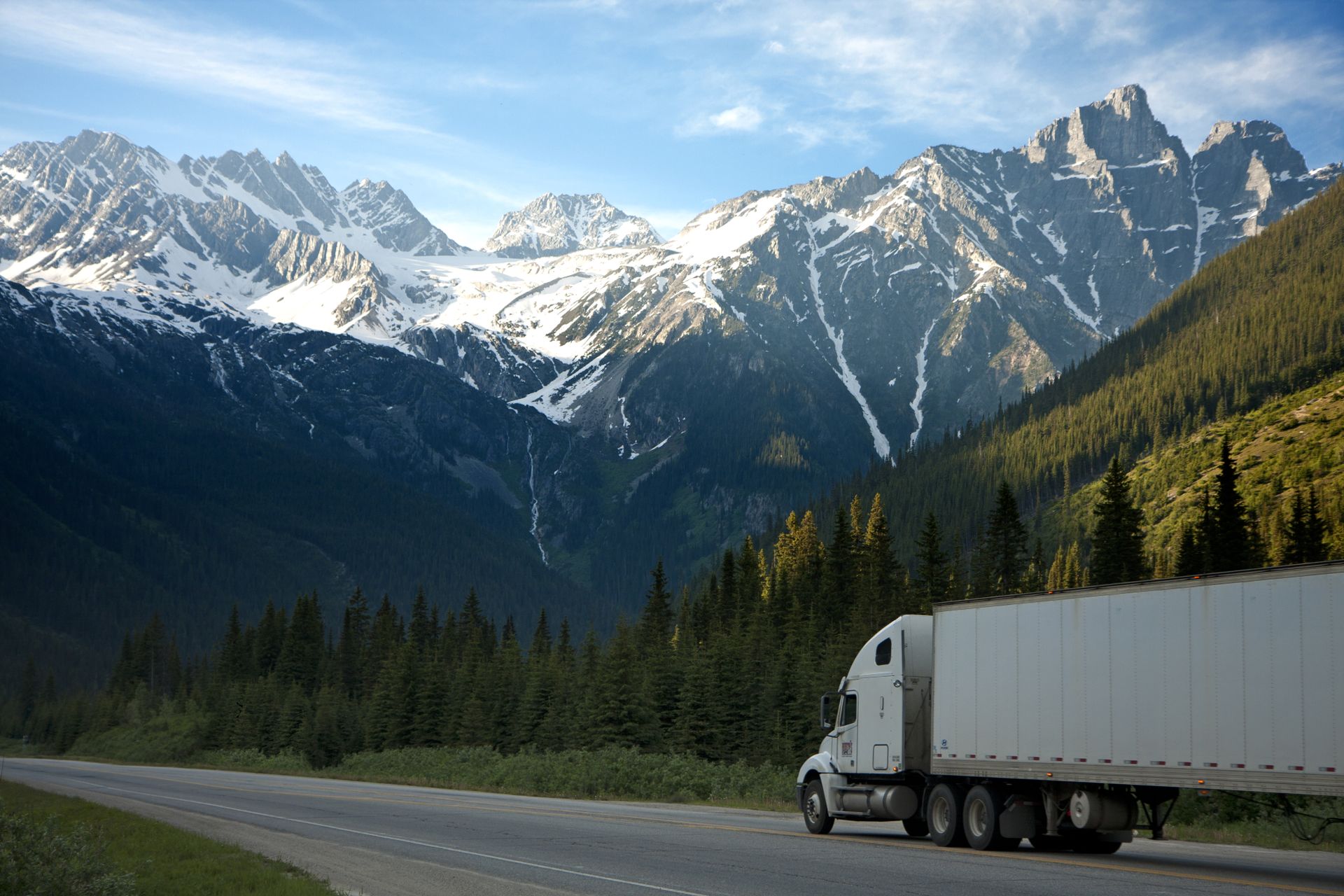
On September 9, 2026, Ford notified federal regulators that 223,472 F-150 trucks from model years 2023 through 2027 may have fuel tanks that were improperly secured during assembly. Front fuel tank strap slots were not properly seated in the frame rail on trucks built between January 2023 and August 2026. A loose tank can leak fuel, cause an engine stall, create a road hazard, or detach from the vehicle entirely. The campaign is NHTSA 26V578000, and dealers will inspect and replace the straps free of charge. Now consider two owners. One is hurt in August 2026, weeks before the recall is announced, when a shifting tank causes a fire. The other bought a used 2024 F-150 in 2025 and never received an owner letter, because recall notices follow the VIN and the prior owner never had the repair done. Neither owner’s claim depends on the recall existing. The first owner’s case rests on the manufacturing defect itself. The second owner’s case rests on the same defect, plus questions about what the seller disclosed. The recall, once announced, becomes supporting evidence. It was never a prerequisite.
What a recall does and does not prove
A recall can help a case. It can show that the maker knew about the hazard, and it can corroborate that the product was capable of failing the way it did. But a recall does not decide liability on its own, and it does not measure damages. It also does not cover every victim: recall remedies compensate for the repair, not for the injuries, medical bills, lost income, or pain that came before it. The reverse is equally important. The absence of a recall does not mean the product was safe, and it does not mean the maker did nothing wrong. It means no recall happened. A claim built on a manufacturing defect, a design defect, or a failure to warn stands on its own evidence: the product, the documents, the expert analysis, and the injuries.
Why early action matters even without a recall
Product cases decay faster than people expect. The product gets thrown away during cleanup. Packaging and receipts get lost. Memories of exactly what happened blur. Meanwhile the legal clock runs the same whether or not a recall ever appears. Preserving the product unchanged and getting it to a qualified expert early is the single highest-value step an injured person can take, and it costs nothing to do it promptly. See our case results for examples of the outcomes we have achieved for clients.
A recall can serve as evidence that the maker knew of the hazard, but it is not required, and a recall alone does not decide liability or damages.
The case becomes harder because inspection is central, but purchase records, photos, medical records, and witness accounts may still support a claim.
Yes; California claims can reach everyone in the chain of distribution, including retailers.
Foreseeable misuse generally does not defeat a claim; truly unforeseeable misuse can, and comparative fault may reduce the recovery.