
Who Is Liable in a California Trucking Accident?

When a trucking accident happens in California, victims often face devastating injuries, overwhelming medical bills, and serious disruption to their lives. One of the first questions clients ask is: Who is liable in a California trucking accident? Determining liability is rarely straightforward. Multiple parties may share responsibility, and understanding California law can help victims and their families protect their rights.
Who Is Liable in a California Trucking Accident Under State Law?
California law allows injured parties to hold all negligent actors accountable after a trucking accident. Liability is based on negligence—whether a person or company failed to use reasonable care, and that failure caused harm.
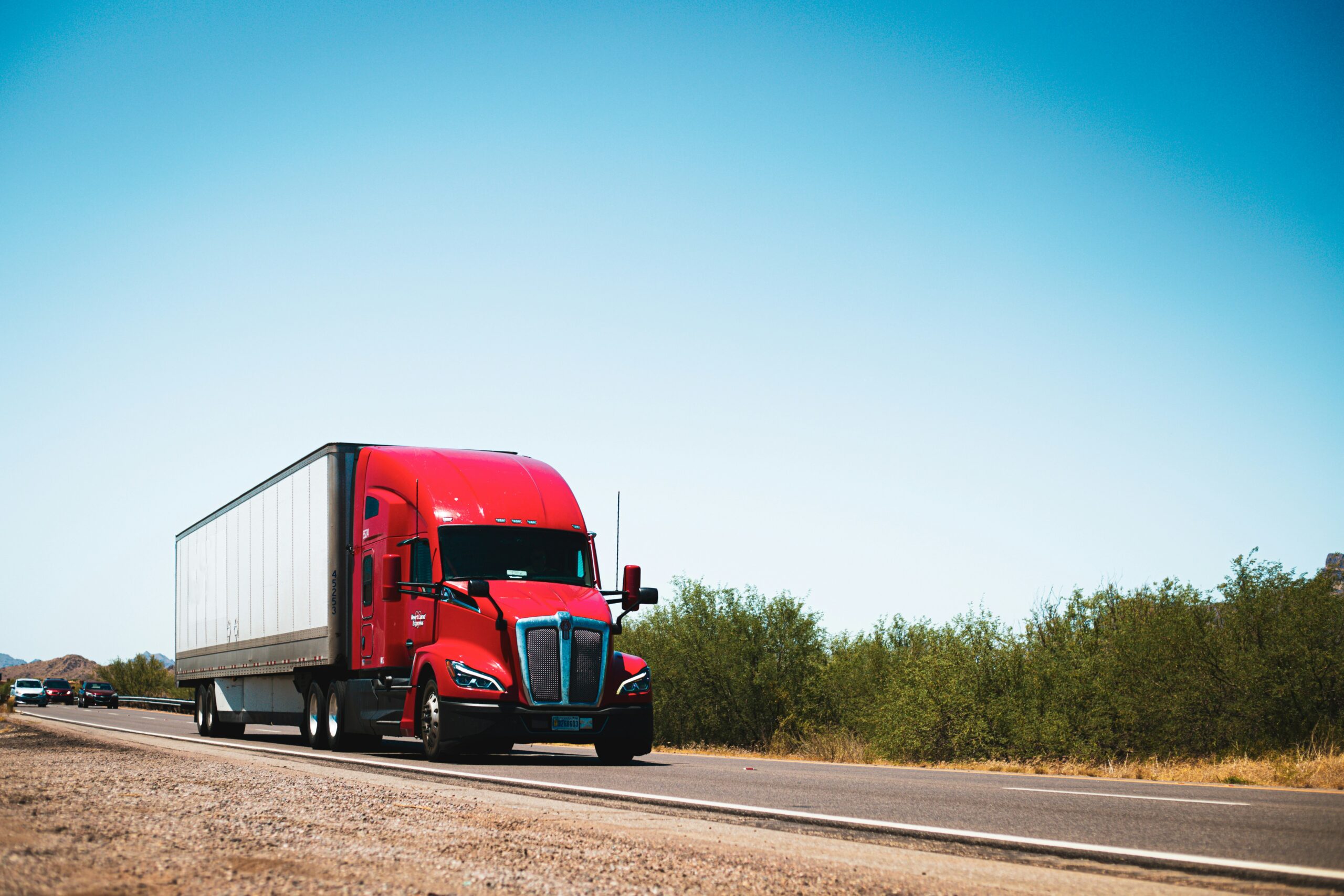
Unlike a typical car accident involving two drivers, trucking accidents often involve layers of responsibility, including the driver, trucking company, contractors, and even manufacturers.
Who Is Liable in a California Trucking Accident? Key Parties
The Truck Driver
Truck drivers are often the most obvious party at fault. Liability may arise if the driver:
- Was speeding or driving recklessly
- Violated Federal Motor Carrier Safety Regulations (FMCSRs)
- Drove while fatigued in violation of hours-of-service rules
- Was distracted by a phone or GPS device
- Drove under the influence of drugs or alcohol
The Trucking Company
Under California law, employers are generally responsible for the negligence of their employees through a concept called respondeat superior. This means trucking companies may be liable if their driver causes a crash while performing job-related duties.
Trucking companies may also be directly responsible for:
- Failing to properly screen or train drivers
- Pressuring drivers to meet unreasonable delivery deadlines
- Ignoring safety violations or inspection requirements
- Neglecting routine truck maintenance
Cargo Loaders and Shippers
Overweight trailers, unsecured loads, or unbalanced shipments can cause trucks to jackknife or roll over. In these cases, loading companies or shippers may share liability.
Truck and Parts Manufacturers
Sometimes the crash results from a defective vehicle component—such as faulty brakes, tires, or steering systems. In those cases, the manufacturer or distributor of the defective part may face liability under California product liability law.
Third-Party Contractors
Many trucking companies outsource tasks such as maintenance, inspection, or even hiring drivers. When negligence occurs, contractors may be included in the chain of liability.
California Liability Rules in Trucking Accidents
In California, even if a victim is partially at fault, they can still recover damages—though their compensation is reduced by their percentage of fault.
Example: If a jury finds the truck driver 80% at fault and the injured motorist 20% at fault, the motorist may still recover 80% of their damages.
This law is particularly important in trucking cases where multiple parties may try to shift blame.
FMCSA Rules and Liability in California Trucking Accidents
Because trucking is an interstate industry, FMCSRs play a central role in determining liability. These federal safety rules cover:
- Hours of service (how long drivers can stay on the road)
- Vehicle inspection and maintenance standards
- Driver drug and alcohol testing requirements
- Cargo securement rules
Violations of FMCSRs can be powerful evidence of negligence in both state and federal courts.
Local Relevance: Trucking Accidents in California
Trucking accidents are a serious concern on California highways such as I-5, I-15, I-805, and Highway 99—routes that see constant commercial trucking traffic. Cities like San Diego, Encinitas, and Bakersfield often see crashes involving freight trucks due to high congestion, agricultural shipping, and regional distribution hubs.
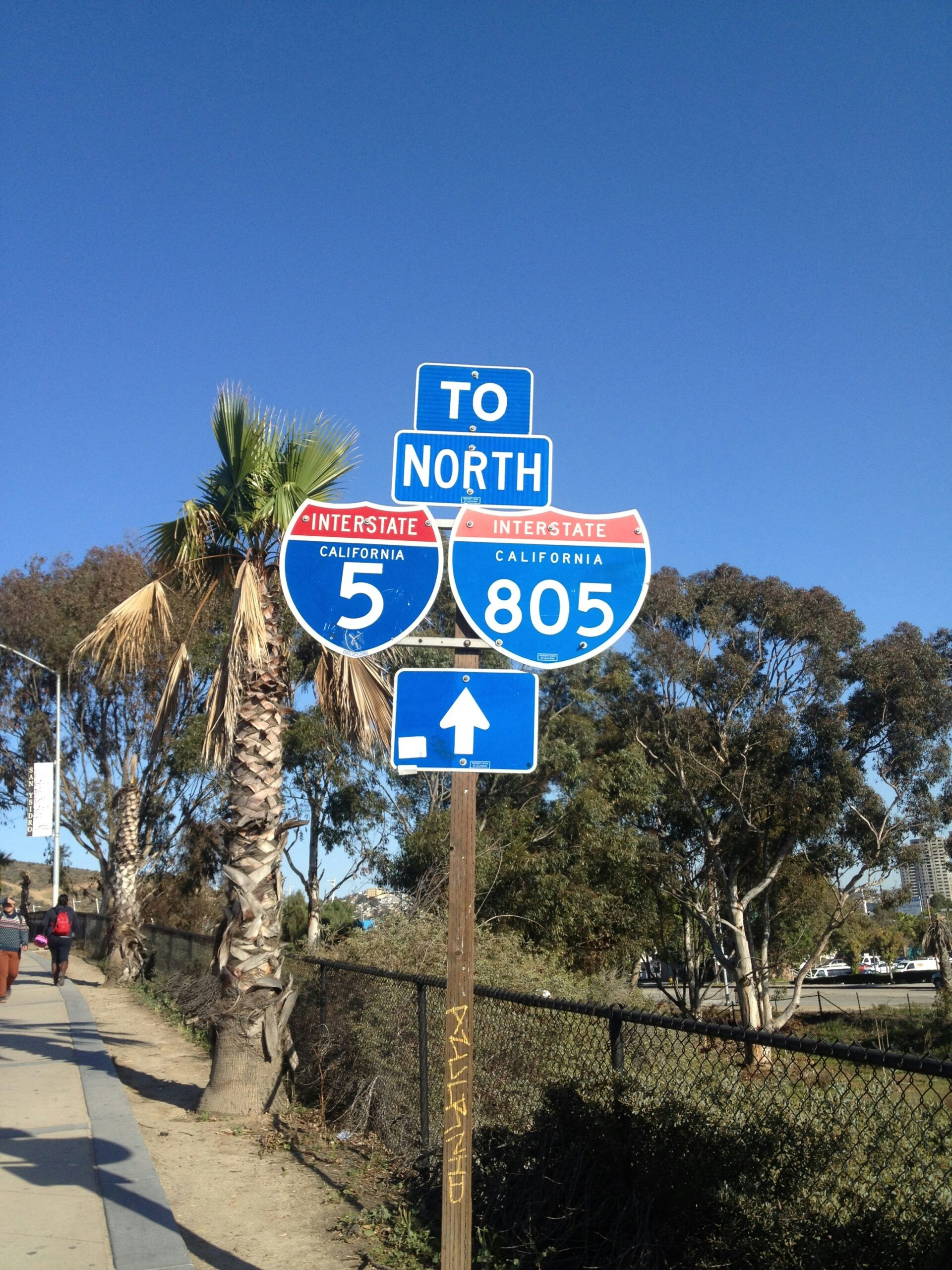
Holding the right parties accountable is essential for victims across these communities, whether the accident happens on the busy San Diego freeways or the agricultural corridors of Kern County.
Why Determining Liability in a California Trucking Accident Matters
Identifying every liable party is crucial for maximizing recovery. Trucking accidents often involve catastrophic damages, including:
- Medical expenses for emergency treatment, surgery, and rehabilitation
- Lost income and reduced earning capacity
- Pain, suffering, and emotional trauma
- Wrongful death damages for grieving families
By pursuing claims against all responsible parties, victims improve their chances of receiving full and fair compensation.
Steps to Take After a California Trucking Accident
If you’ve been injured in a trucking crash:
- Seek immediate medical care – Even if you feel fine, injuries may not be obvious.
- Report the accident – Contact law enforcement and ensure an official report is made.
- Gather evidence – Photos, witness information, and documents can be invaluable.
- Contact a lawyer – An experienced California trucking accident lawyer can launch an investigation to identify all potentially liable parties.
Attorney Q&A: California Trucking Accidents
When a trucking case comes in, who do you investigate first and why?
I look at the driver and the company at the same time, because the real question is always what the company knew and when. I want the driver’s qualification file, the hours-of-service logs, and the company’s maintenance and training records. And I send a preservation letter immediately, because trucking companies are only required to keep some of those records for a short time.
What is the most common way trucking companies try to avoid liability?
The independent contractor defense. The company says the driver was not their employee, just a contractor, so they are not responsible for what the driver did. We get past it by showing how much control the company actually had: who set the schedule, who owned the truck, whose name was on the door. Most of the time, the control is there.
How do federal safety violations actually help prove a trucking case?
Federal safety rules give us an objective standard the driver and company were required to meet. If the logbook shows the driver was over hours, or the inspection records show bad brakes, that is not just our opinion that they were careless. It is a documented violation of a safety rule, and juries understand that.
What should someone do differently after a crash with a big rig versus a regular car accident?
Move fast on evidence. A truck has electronic logging data, engine control module data, and dash cameras that can be overwritten or lost, and the federal rule only requires the company to keep driver logs for a minimum of six months. In a regular car crash you have time. In a trucking case, I want a spoliation letter out within days, which is why calling a lawyer early matters more here.
Call an Experienced California Trucking Accident Lawyer
If you’re asking yourself, “Who is liable in a California trucking accident?” you don’t have to answer that question alone. At my firm, I represent victims and families across Encinitas, San Diego, Bakersfield, Kern County who are navigating the aftermath of devastating trucking accidents.
I understand the stress and uncertainty you’re facing, and I know how to hold trucking companies, drivers, and insurers accountable.
Contact me today for a free consultation to discuss your case and protect your right to compensation.
Injured? Get Answers Today.
Call or text (619) 400-2351 for a free case evaluation.